Latest Articles
Stay informed with our expert legal insights

Customs Show Cause Notice: How to Prepare an Effective Legal Reply
When the Indian Customs Department suspects an under-valuation, incorrect classification, irregular duty exemption, or non-compliance during import or export, it initiates formal proceedings by issuing a Show Cause...

Customs Seizure: Legal Remedies and Procedure for Release of Goods
In international commerce, the physical seizure of import consignments, export containers, or conveyance vessels by Indian Customs represents one of the most severe disruptions a business can face....

Provisional Release of Seized Goods under the Customs Act
When customs authorities seize commercial consignments at ports, air cargo complexes, or inland container depots (ICDs), the formal adjudication process—spanning investigation, Show Cause Notice issuance, evidence gathering, personal...

Confiscation, Redemption Fine and Penalties under Customs Law
In the architecture of Indian customs law, confiscation and statutory penalties represent the harshest deterrent mechanisms deployed against non-compliant international trade. When an adjudicating authority orders absolute confiscation,...

Customs Appeals: Guide to Commissioner (Appeals), CESTAT and Higher Courts
When an adverse customs adjudication order (Order-in-Original) is passed confirming crippling duty demands, ordering cargo confiscation, or imposing heavy personal penalties, the legal battle is far from over....

Customs Investigation: Rights During Search, Summons and Examination
Facing a customs investigation initiated by the Directorate of Revenue Intelligence (DRI), the Special Intelligence and Investigation Branch (SIIB), or the Customs Preventive Wing is an intensely stressful...
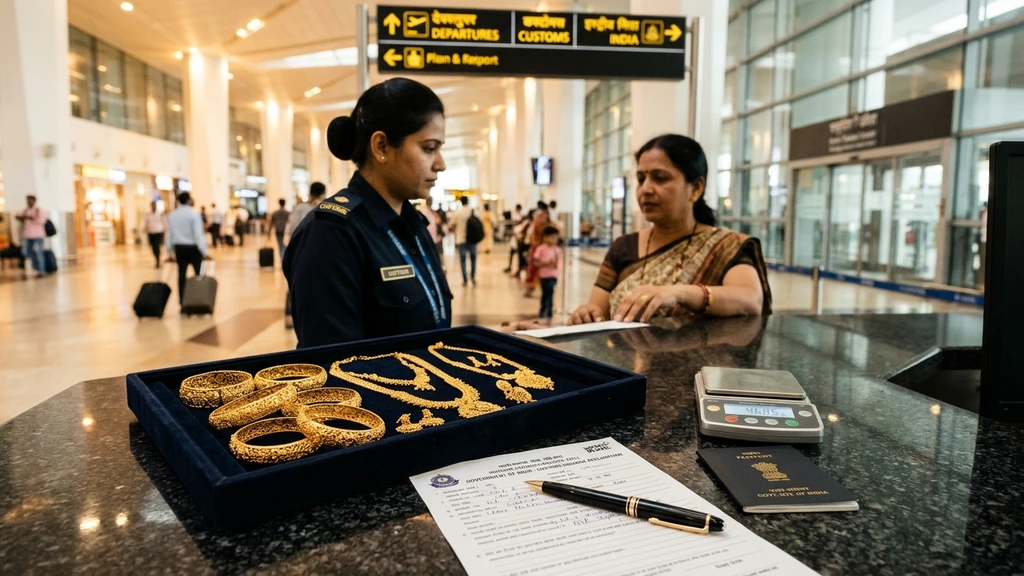
Gold and Jewellery at Indian Airports: Customs Rules and Legal Issues
Every day, thousands of Non-Resident Indians (NRIs), overseas professionals, and international tourists arrive at international airports across Tamil Nadu—including Chennai, Tiruchirappalli (Trichy), Madurai, and Coimbatore—carrying gold jewellery for...

Detention of Passenger Baggage: Legal Remedies and Release Procedure
Arriving at an international airport only to have personal luggage, electronic equipment, professional instruments, or commercial samples detained by Indian Customs is an intimidating and disruptive experience. International...

Customs Duty Demands and Limitation under Section 28
Years after an imported consignment has been cleared, manufactured, sold, or distributed into the Indian market, businesses are frequently hit with unexpected, massive duty demands from the Customs...

Customs Valuation Disputes and Related-Party Imports
In modern multinational commerce, an overwhelming volume of international trade occurs between corporate affiliates: foreign parent corporations exporting capital machinery, raw materials, or finished products to their Indian...

HSN Classification Disputes and Customs Tariff Interpretation
In the day-to-day administration of Indian customs, no single area generates more persistent dispute, high-stakes duty demands, and appellate litigation than tariff classification under the Harmonized Commodity Description...
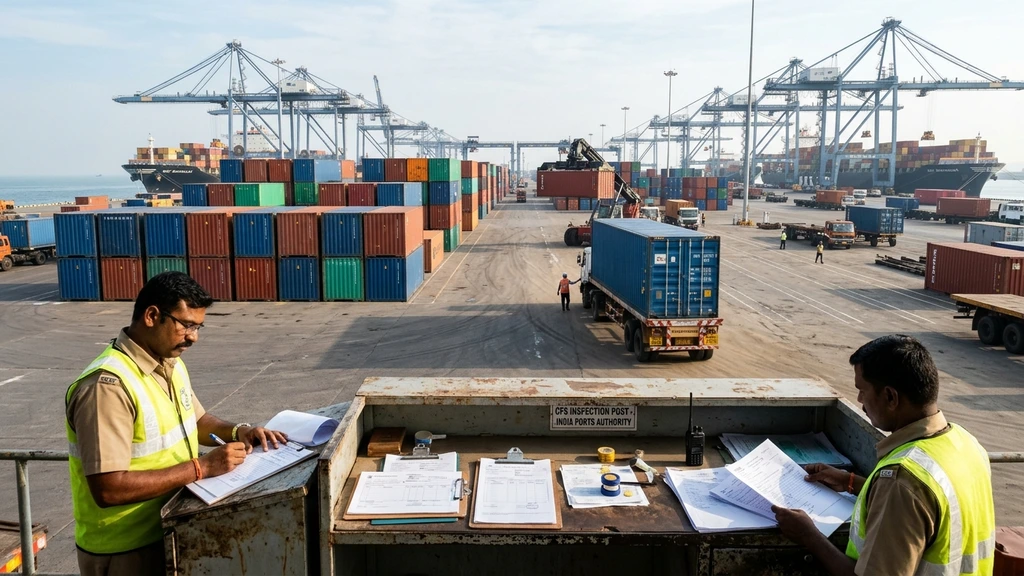
Customs Refunds, Re-imports and Drawback Claims
In the complex operational environment of international trade, cash flow liquidity is the lifeblood of commercial viability. Importers frequently pay excess customs duties due to computational errors, provisional...

Import of Restricted and Prohibited Goods: Legal Framework
In the modern regulatory landscape of Indian foreign trade, importing goods involves far more than simply calculating customs tariffs. Under Section 11 of the Customs Act, 1962, read...

Customs Broker Liability and Importer/Exporter Compliance
In the complex operational chain of international trade, the Customs Broker (formerly known as Custom House Agent / CHA) occupies a pivotal regulatory nexus connecting commercial importers, overseas...

Customs Prosecution, Arrest and Bail: Legal Framework
While customs adjudication primarily involves financial demands, cargo confiscation, and civil penalties, serious customs infractions cross the boundary into criminal law. Under the Customs Act, 1962, the department...

Foreign Matrimonial Settlements and Foreign Judgments Affecting Indian Immovable Property – Part I
With increasing global migration, thousands of Indian families now own assets across multiple jurisdictions. It is common for spouses to obtain divorce decrees or matrimonial settlements from courts in...

Foreign Matrimonial Settlements and Foreign Judgments Affecting Indian Immovable Property – Part II
The modern Indian family is increasingly transnational. Marriages are celebrated in India, careers are pursued abroad, properties are acquired across jurisdictions, and unfortunately, matrimonial disputes often culminate before foreign courts...

Foreign Matrimonial Settlements and Foreign Judgments Affecting Indian Immovable Property – Part III
A foreign judgment is often perceived as the final resolution of a matrimonial dispute. In reality, where Indian immovable property forms part of the matrimonial settlement, the foreign decree frequently marks the beginning of legal proceedings in India...

Passport Seized? Travel Restricted? Get Immediate Legal Assistance
A passport is more than a travel document—it is an important instrument of personal liberty. When authorities seize, impound, or revoke travel documents, understanding the limits of police power and statutory remedies is crucial...

Victim of Deepfake Abuse? Secure Emergency Removal & Court Orders
Artificial Intelligence has transformed communication, but synthetic media presents major legal risks. Learn how to stop deepfake dissemination instantly using privacy rights, personality rights, and urgent court injunctions...
Rights and Remedies of NRIs Regarding Possession of Property in India
NRI property disputes in India have become increasingly common in recent years. Many Non-Resident Indians own houses, flats, plots, or ancestral property ...

Evolution of Digital Evidence in India: Legal Framework, Landmark Cases, and Courtroom Challenges
The digital revolution has fundamentally transformed the way people communicate, conduct business, and store information.

NRI Child Custody in India: Laws, Foreign Court Orders, Personal Laws and the Welfare of the Child
Cross-border child custody disputes involving NRIs raise questions of personal law, foreign court orders, relocation, welfare of the child, and the practical realities of parenting across jurisdictions.

Cross-Border Child Custody in India: NRI Child Custody Laws, Foreign Court Orders and the Welfare of the Child
International child custody disputes between NRIs involve personal law, ordinary residence, foreign proceedings, relocation risks and the overriding welfare of the child.

Patent Protection Strategies for Tech Startups
Discover essential patent protection strategies that every tech startup should implement to safeguard their innovations and maintain competitive advantages.

Protecting employee rights. Promoting fair workplaces.
Explore the legal framework surrounding remote work policies, including compliance requirements, employee rights, and best practices for employers.

Can a Brother Claim Ownership Over Ancestral Property After Long Possession?
Explore coparcenary rights, co-ownership, ouster, adverse possession, partition and recovery remedies relevant to an NRI family property dispute.

OCI Card & Indian Ancestry Documentation Assistance
Legal guidance and Indian document research for overseas Indians and foreign citizens of Indian origin.

How to Apply for an OCI Card: Documents, Procedure and Common Mistakes
Learn how to apply for an OCI card, which documents may be required, how verification works and how to avoid common application mistakes.

OCI Card for Foreign Citizens of Indian Origin: Eligibility, Meaning and Legal Status
Understand OCI card eligibility, Indian ancestry requirements, legal status, benefits, restrictions and important documentation considerations.

OCI vs NRI vs Indian Citizen: What Is the Difference?
Understand the difference between OCI cardholders, NRIs and Indian citizens, including citizenship, travel, voting, property and tax considerations.

OCI for Foreign Spouses: Eligibility, Marriage Requirements and Documents
Learn about OCI eligibility for foreign spouses, the two-year registered-marriage requirement, supporting documents, security clearance and common application issues.

OCI for Children Born Abroad: Citizenship, Passport and Eligibility
Discover whether a child born abroad to Indian parents may qualify for Indian citizenship or an OCI card, what documents are needed, and how to address custody or birth-registration issues.

OCI Card Benefits and Restrictions: What OCI Cardholders Can and Cannot Do in India
Understand OCI card benefits and restrictions in India, including travel, employment, property ownership, education, political rights and activities requiring special permission.

Can OCI Cardholders Inherit or Sell Ancestral Property in India?
Learn how OCI cardholders can inherit, sell or transfer ancestral property in India, including agricultural land, succession documents, relinquishment deeds and FEMA restrictions.

NRI and OCI Property Due Diligence: How to Verify Title Before Buying Property in India
Buying property in India from overseas? Learn how to verify title deeds, encumbrances, patta, land classification, approvals and litigation before completing a purchase.

NRI and OCI Property Tax in India: TDS, Capital Gains and Repatriation
Selling or inheriting property in India as an NRI or OCI cardholder? Understand TDS, capital gains, inherited property taxation and repatriation rules.
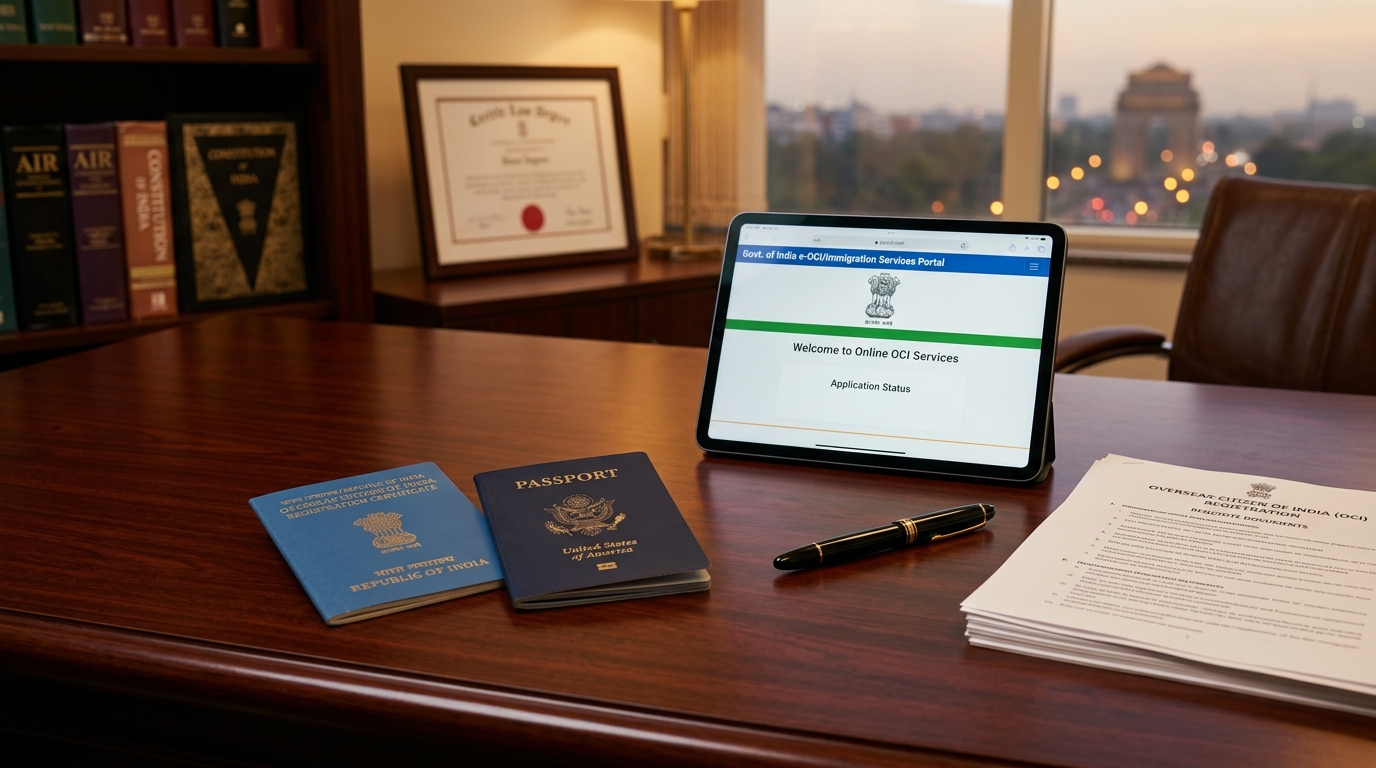
OCI Card Renewal, Re-Issue and Passport Changes: Updated Rules for 2026
Learn the latest OCI card rules for passport changes, personal-detail updates, lost cards and e-OCI, including the documents and online procedures to check.

OCI Card Cancellation: Grounds, Legal Consequences and Legal Remedies
Understand when an OCI card can be cancelled under Indian law, your right to be heard, possible consequences and steps to take after receiving a notice.

OCI Card Cancellation Under Section 7D: Grounds, Criminal Proceedings and Legal Remedies
Learn how Section 7D affects OCI cardholders facing criminal proceedings, cancellation notices, blacklisting or immigration restrictions, and understand the legal remedies that may be available.
Frequently Asked Questions
Find answers to common legal questions
Legal blogs help you understand your rights, recent legal updates, and common legal issues in simple terms, allowing you to make informed decisions.
No. The content published on this blog is for general information and awareness only and should not be considered a substitute for professional legal advice.
We strive to ensure accuracy and relevance; however, laws may change over time. Readers are advised to consult a qualified lawyer for case-specific guidance.
Yes. If a blog topic relates to your legal concern, you may contact us for professional consultation and tailored legal advice.
Yes. We offer legal advice, documentation, and dispute resolution to help clients avoid unnecessary litigation.