
Home Blog Contact

Labour, Employment & Industrial Relations

A Comprehensive Legal Guide to Employment Frameworks, Corporate Workplace Compliance, Dispute Containment, POSH Audits, and Disciplinary Procedures under Indian Law.

Maintaining regulatory workplace compliance and managing employee relations effectively has become a critical operational pillar for modern enterprises, technical startups, and commercial establishments in India. With the current transition toward unified labor codes, businesses must ensure their protective policies, internal committee structures, and worker agreements align precisely with statutory mandates to minimize liability exposures.

Indian labor legislation grants protective rights to workforces while defining strict corporate management paths for employers.

Employment Law
Our Service

Labour Matters We Handle

Employment Contracts

Designing comprehensive employment agreements that align with labor laws and protect both employer and employee interests.

Workplace Compliance

Structuring corporate HR policy handbooks, wage structures, gratuity audits, and statutory registrations under state shop acts.

Labour Disputes

Representing enterprises and executive teams in matters of wrongful termination claims, wage settlement demands, and trade union disputes.

POSH Compliance

Establishing Internal Committees (IC), managing active workplace sexual harassment inquiries, and running policy audit operations.

Industrial Relations

Advising industrial installations on factory closures, strategic structural layoffs, retrenchment planning, and union agreement mapping.

Disciplinary Inquiries

Managing structured domestic inquiries, drafting formal charge sheets, suspensions, and navigating employee misconduct investigations.

Drafting employment contracts executive non compete agreements and restrictive covenants in Tamil Nadu

Employment Contracts & Executive Restrictive Covenants

Infrastructuring robust workforce systems requires clear structural boundaries from the point of intake. Our employment division specializes in drafting airtight employment agreements, executive appointment letters, and employee handbooks. We design enforceable non-compete clauses, non-solicitation parameters, and confidentiality frameworks to protect proprietary business data and minimize transition liabilities for enterprises in Thanjavur and Kumbakonam.
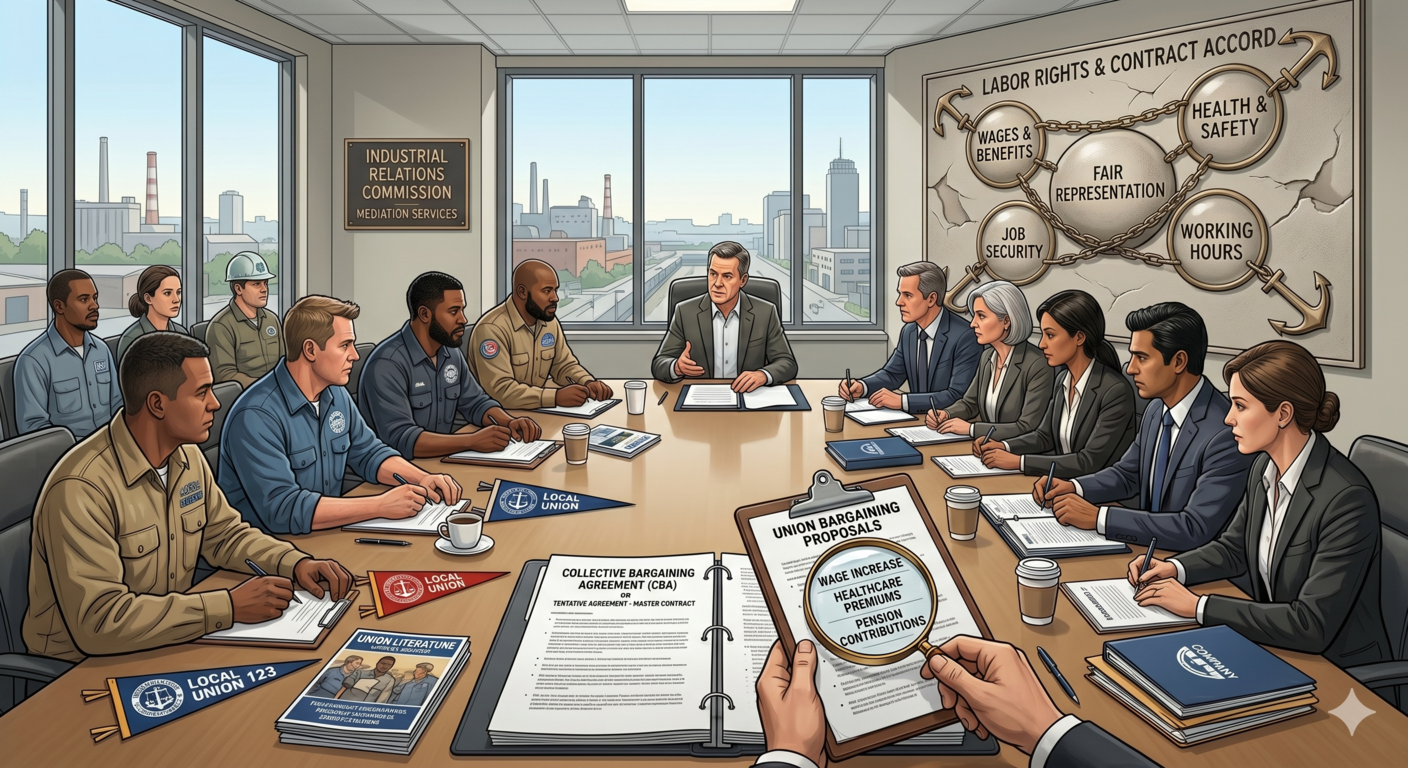
Industrial disputes litigation trade union collective bargaining representation India

Industrial Relations & Collective Bargaining Representation

Managing collective labor friction demands decisive compliance and seasoned negotiation mechanisms under the Industrial Disputes Act, 1947. We represent corporate management boards during complex collective bargaining settlements with registered trade unions. Our trial desk directly handles matters involving factory lockouts, industrial strikes, retrenchment layouts, and coordinates defense lines before conciliation officers, labor courts, and industrial tribunals.
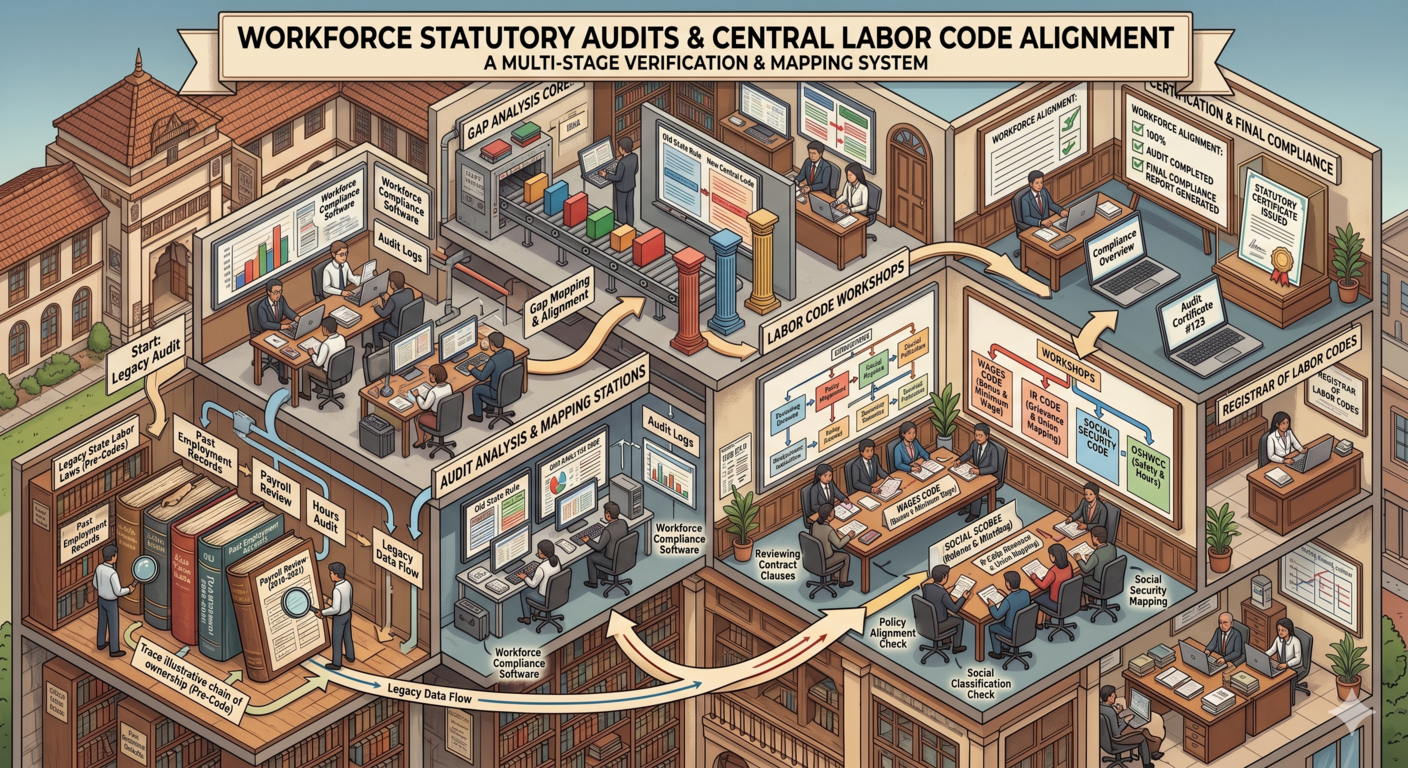
Statutory labor law audits EPF ESI compliance tracking Tamil Nadu factories

Workforce Statutory Audits & Central Labor Code Alignment

Maintaining standard corporate operations requires absolute alignment with complex state and central welfare rules. We conduct extensive statutory labor law audits tracking Employees' Provident Fund (EPF), Employees' State Insurance (ESI), Gratuity, and Bonus calculations. Our compliance group structures payroll architectures to safely transition systems into unified layouts under the newly instituted Indian Labor Codes smoothly.
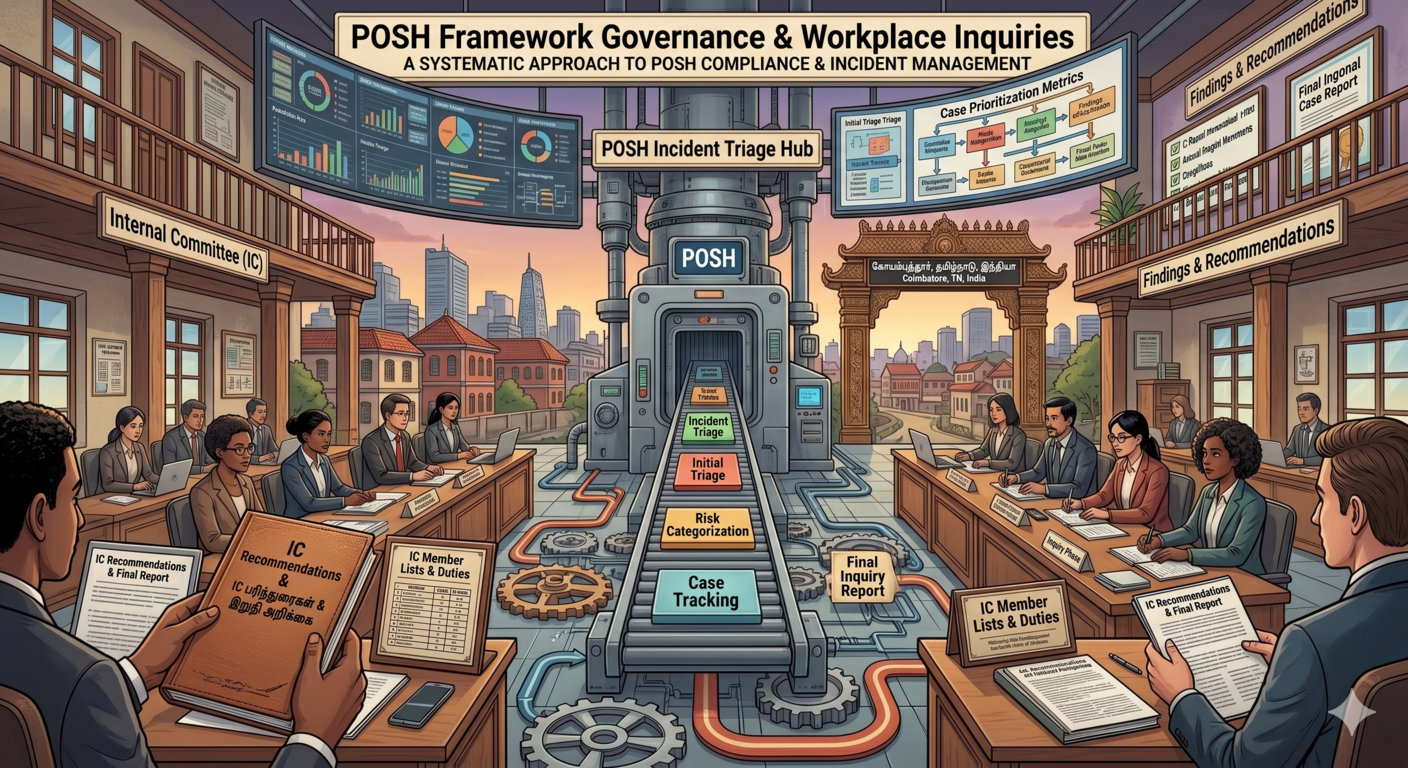
POSH compliance workplace training Internal Complaints Committee legal governance

POSH Framework Governance & Workplace Inquiries

Ensuring a legally secure, safe operational environment demands ironclad internal governance architectures under the POSH Act, 2013. We provide external member panel representations for corporate **Internal Complaints Committees (ICC)**, design workplace sensitization structures, and audit internal fact-finding procedures. We defend organizational integrities against false harassment complaints while ensuring absolute statutory protection guidelines are maintained.
Our Team

Meet Our Advocates

RRC Law Associates is composed of experienced advocates...

Advocate

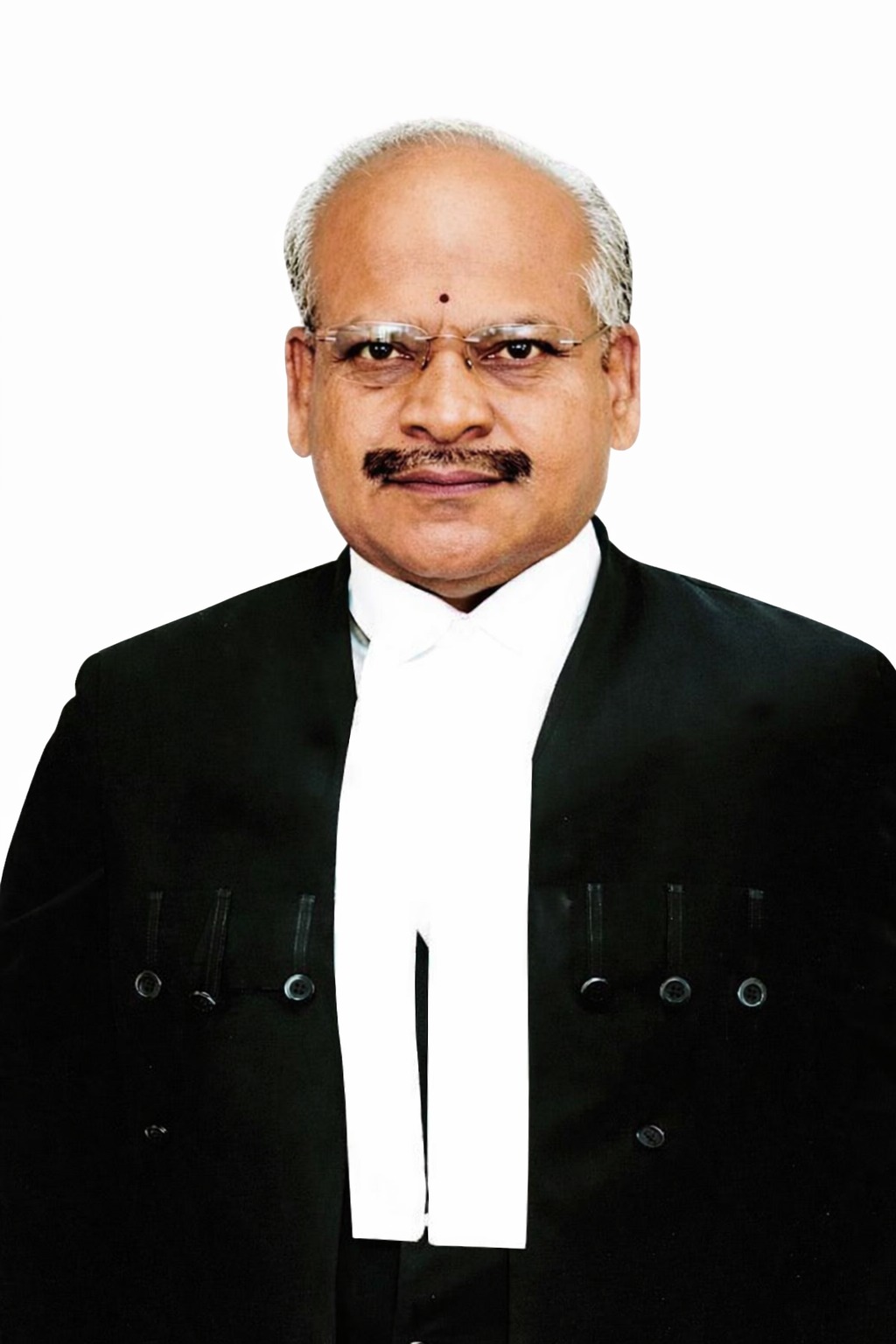
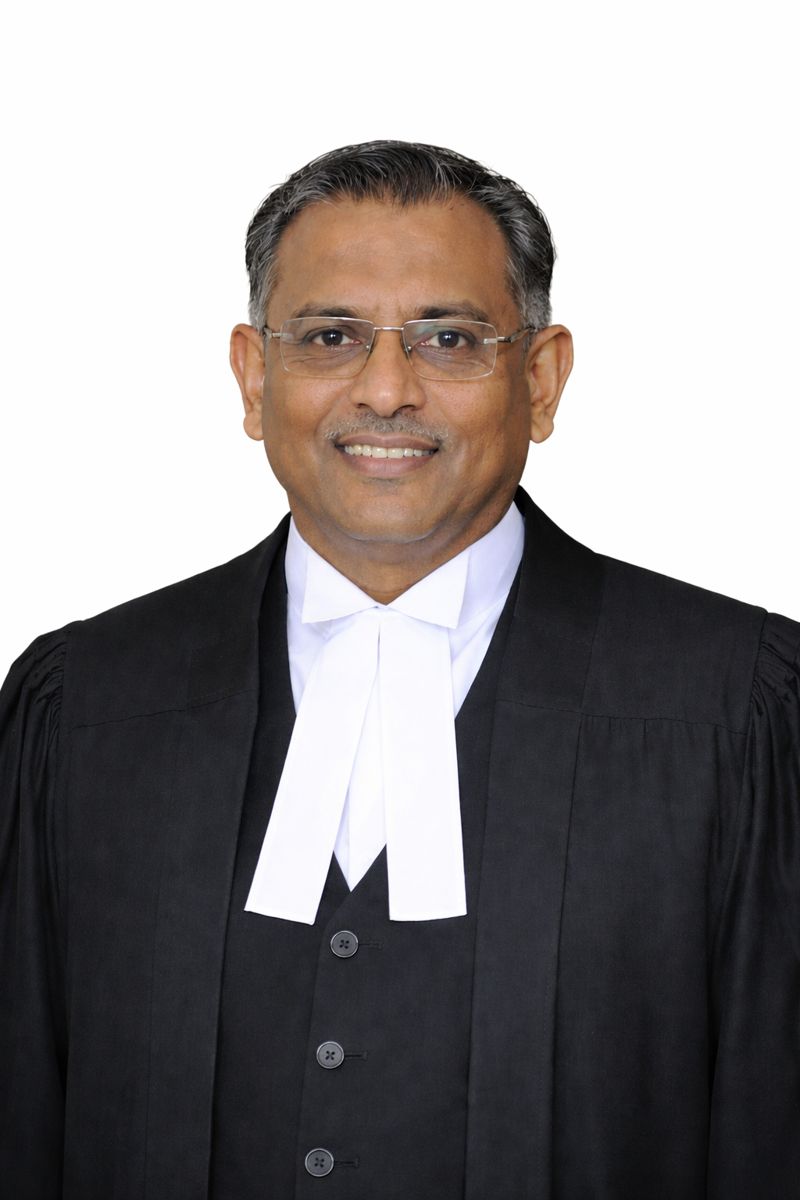
Hon'ble Mr. Justice (Retd)
M.Karpaga Vinayagam

Former Chief Justice - Jharkhand High Court

Senior Advocate - Supreme Court of India

50+ Years Experience
Advocate

R. Muthukumaraswamy

Senior Advocate & Co-Founder

President of the Madras Bar Association (2012-2014)

19+ Years Experience
Advocate

Adv. Mathimugam, LL.B. (Hons)

Senior Associate

Family/Civil/Tort (accident claims)

30+ Years Experience
Advocate

Dr. N. Tamilmani

Senior Partner & Founder

Civil, Criminal, and Constitutional Law

20+ Years Experience
Advocate

R. Vidhya, B.A., LL.B.

Member

Civil, Criminal, Family Law, and Cyber Law

16+ Years Experience
Support & Guidance

Frequently Asked Questions

Under Section 27 of the Indian Contract Act, 1872, any clause that imposes a post-termination restraint on an employee's right to practice a lawful profession, trade, or business is generally held void and legally unenforceable. However, restrictive covenants operating during the term of employment are completely valid. To protect proprietary trade assets safely, our advocates structure alternative frameworks using strict, enforceable post-employment non-solicitation and data confidentiality mandates.

As regulated by the Industrial Disputes Act, 1947, an industrial dispute is defined as any friction or difference between employers and employers, employers and workmen, or workmen and workmen that is linked to employment patterns, non-employment frameworks, or specific terms of labor. Individual dismissals or retrenchments can also be treated as structural industrial disputes, shifting matter oversight into localized conciliation officers and industrial tribunals.

The transformation of multiple central labor statutes into four unified codes (Wages, Industrial Relations, Social Security, and Occupational Safety) demands systematic adjustments to corporate internal networks. Enterprises must perform baseline compliance audits to re-calibrate their salary structures—specifically aligning allowances to meet the updated 50% basic wage cap configuration—and revise internal standing orders to prevent retroactive statutory penalties.

Under the POSH Act, 2013, any administrative workplace employing 10 or more workers must formally institute an Internal Complaints Committee (ICC) via written order. The panel must be chaired by a senior-level female employee, consist of at least two internal members committed to gender equality causes, and feature a mandatory independent External Member—such as a qualified labor advocate from our firm—to guarantee unbiased procedural justice and maintain statutory alignment during internal inquiries.

Face Legal Hurdles with Confidence

Connect with our property disputes law experts for a confidential strategy session.

Chat on WhatsApp
Chat with us