
Mon – Sat: 10:00 AM – 10:00 PM
Home Legal Partners Blog Contact

Cheque Bounce Case Lawyer (Section 138)

Statutory Notice Drafting, Section 138 Criminal Complaints & High-Value Debt Recovery in Tamil Nadu

Under Section 138 of the Negotiable Instruments Act, 1881, the dishonour of a cheque issued towards a legally enforceable debt is a punishable criminal offence. Enforcing your statutory rights demands strict adherence to mandatory timelines: issuing a formal Demand Notice within 30 days of receiving the bank memo and filing a criminal complaint before the Judicial Magistrate within 30 days of the drawer's default.

RRC Law Associates represents businesses, contractors, and individuals across Thanjavur and Tamil Nadu, securing swift trial proceedings, interim compensation under Section 143A, and strategic out-of-court settlements.

Cheque Bounce Law
Our Service

Matters We Handle

Statutory Notice (30 Days)

Drafting precise statutory demand notices under Section 138(b) within 30 days of dishonour, granting the mandatory 15-day cure window.

Section 138 Filing (30 Days)

Filing rigorous criminal complaints under Section 142 NI Act before the jurisdictional Judicial Magistrate upon expiry of the 15-day notice period.

Interim Relief (Sec 143A)

Securing court orders directing the drawer to deposit up to 20% of the cheque face value as interim compensation pending trial.

Compounding & Settlement

Facilitating structured out-of-court compounding under Section 147 NI Act or concurrent civil recovery under Order 37 CPC.

Section 138 NI Act statutory timelines and demand notice compliance

Strict Statutory Timelines under Section 138 NI Act

A cheque bounce case is strictly timeline-bound. Under the Negotiable Instruments Act, 1881, four mandatory conditions precedent must be satisfied: (1) the cheque must be presented to the bank within its validity period (3 months); (2) upon dishonour, a formal Statutory Demand Notice must be issued within 30 days of receiving the Cheque Return Memo from the bank; (3) the drawer is granted a mandatory 15-day statutory payment window from the date of receipt of notice; and (4) if payment is not made, the criminal complaint must be filed before the competent Judicial Magistrate within 30 days following the expiry of the 15-day period. Missing any statutory timeline can prove fatal to prosecution.
Documentary evidence checklist for cheque bounce prosecution in Tamil Nadu

Essential Documentary Evidence Checklist

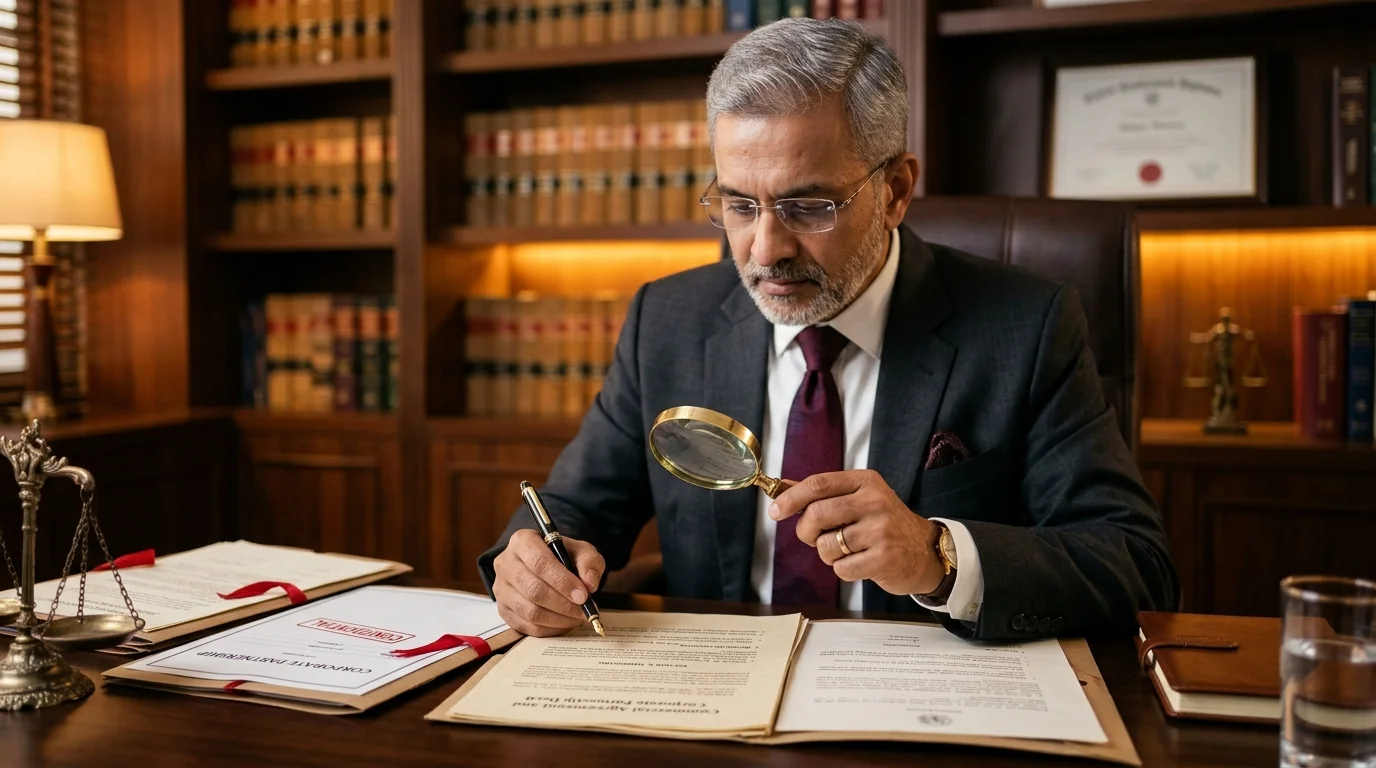
Establishing a prima facie case under Section 138 requires meticulous evidentiary compilation. Our litigation team reviews and structures the entire proof portfolio: (1) the original dishonoured cheque; (2) the official Cheque Return Memo specifying bank remarks (such as "Funds Insufficient", "Account Closed", or "Stop Payment"); (3) office copy of the detailed statutory demand notice; (4) original postal receipts (Registered Post / Speed Post); (5) postal delivery tracking report or signed acknowledgment card proving effective service; and (6) primary documentation proving an underlying legally enforceable debt or liability (commercial invoices, loan agreements, promissory notes, or delivery challans).

Judicial Magistrate court trial advocacy and Section 143A interim compensation

Magistrate Trial, Sec 143A Relief & Corporate Director Liability

Following complaint institution under Section 142, we handle the complainant's sworn statement, ensure prompt issuance of summons or bailable warrants if the accused evades court, and immediately file an application for Interim Compensation under Section 143A (directing deposit of up to 20% of the cheque value). Where dishonoured cheques are issued by companies, LLPs, or partnership firms, we invoke Section 141 vicarious liability, prosecuting managing directors, partners, and authorized signatories directly responsible for business operations at the time of the offence.

NRI cheque bounce legal representation and Order 37 summary debt recovery

NRI Complainant Assistance & Civil Summary Recovery Synergy

For Non-Resident Indians who receive bounced cheques during property sales, business investments, or personal debt settlements in India, our firm provides complete remote representation. Through a properly authenticated Special Power of Attorney, we institute and manage criminal proceedings without requiring personal travel for routine hearings. Furthermore, to maximize recovery speed, we deploy a dual strategy: instituting Section 138 quasi-criminal proceedings alongside an Order 37 CPC Summary Suit in civil courts, securing attachment of debtor assets before judgment.
Support & Guidance

Frequently Asked Questions

Under Section 138(b) of the Negotiable Instruments Act, 1881, issuing a formal demand notice within 30 days of receiving the Cheque Return Memo is a mandatory statutory condition precedent. If this 30-day limitation is missed, a criminal complaint under Section 138 cannot be maintained unless the cheque can still be re-presented within its 3-month validity period. However, the creditor still retains the right to file an ordinary civil money recovery suit or an Order 37 summary debt recovery suit within the 3-year limitation period.

Yes. An overseas NRI complainant can institute and manage Section 138 criminal complaint proceedings in India through an authorized Special Power of Attorney (SPA) holder or legal counsel. The POA must be properly executed, attested/apostilled abroad, and adjudicated in India. While the complainant's evidence may require initial verification, physical presence is not required for routine procedural hearings, and courts in Tamil Nadu increasingly accommodate virtual attendance where permitted.

Yes. Under Section 143A of the Negotiable Instruments Act (inserted by the 2018 Amendment), the trial court has the power to direct the drawer of the dishonoured cheque to pay interim compensation to the complainant. This amount cannot exceed 20% of the cheque face value and must typically be deposited within 60 days of the court's order.

Section 138 of the NI Act is a quasi-criminal proceeding filed before a Judicial Magistrate, focusing on penalizing the drawer with imprisonment up to 2 years, a fine up to twice the cheque amount, or both. A civil money recovery suit (such as an Order 37 CPC summary suit) is filed in a civil court to obtain a decree for the recovery of the debt along with contractual interest. Both remedies can be pursued concurrently under Indian law.
Our Team

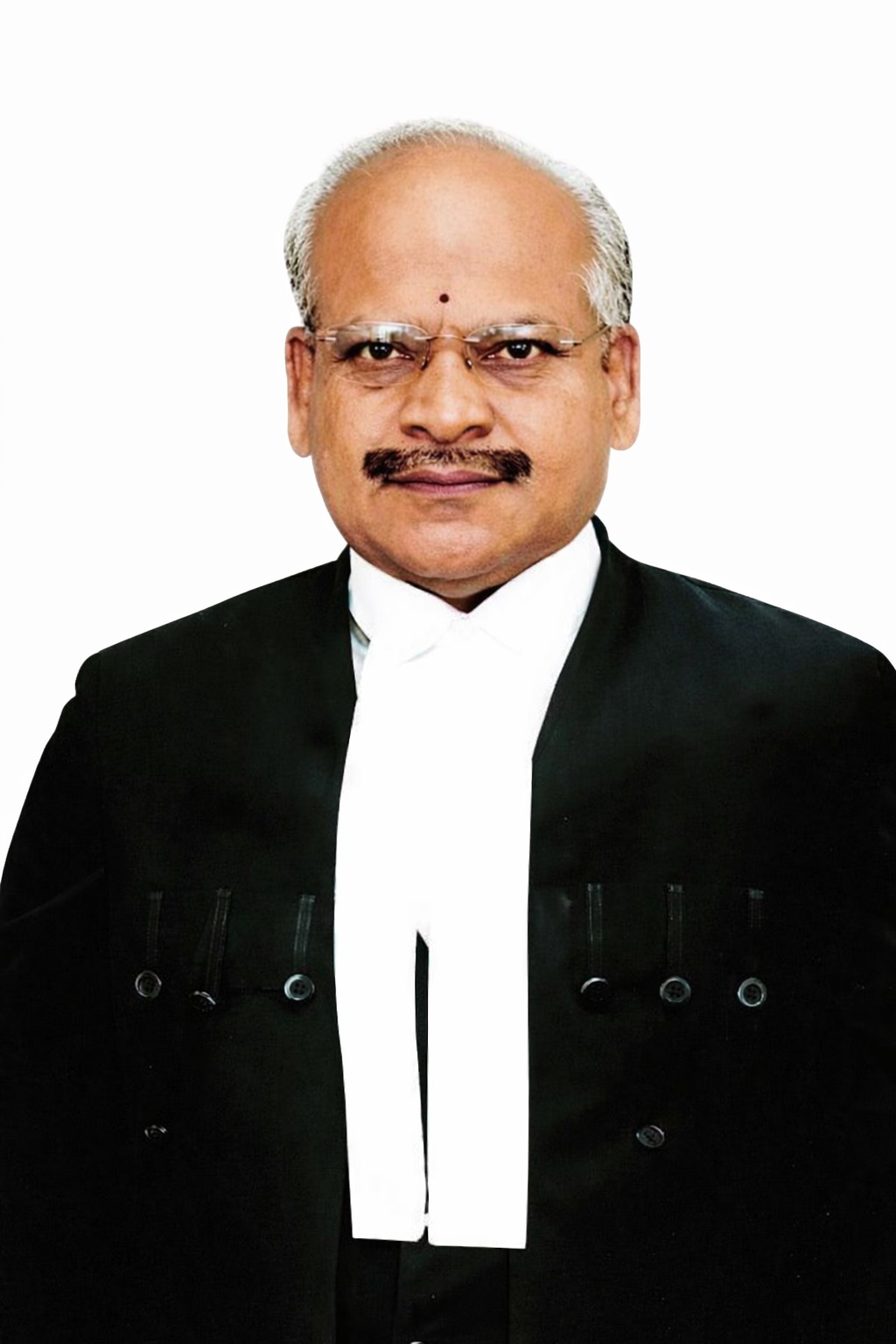
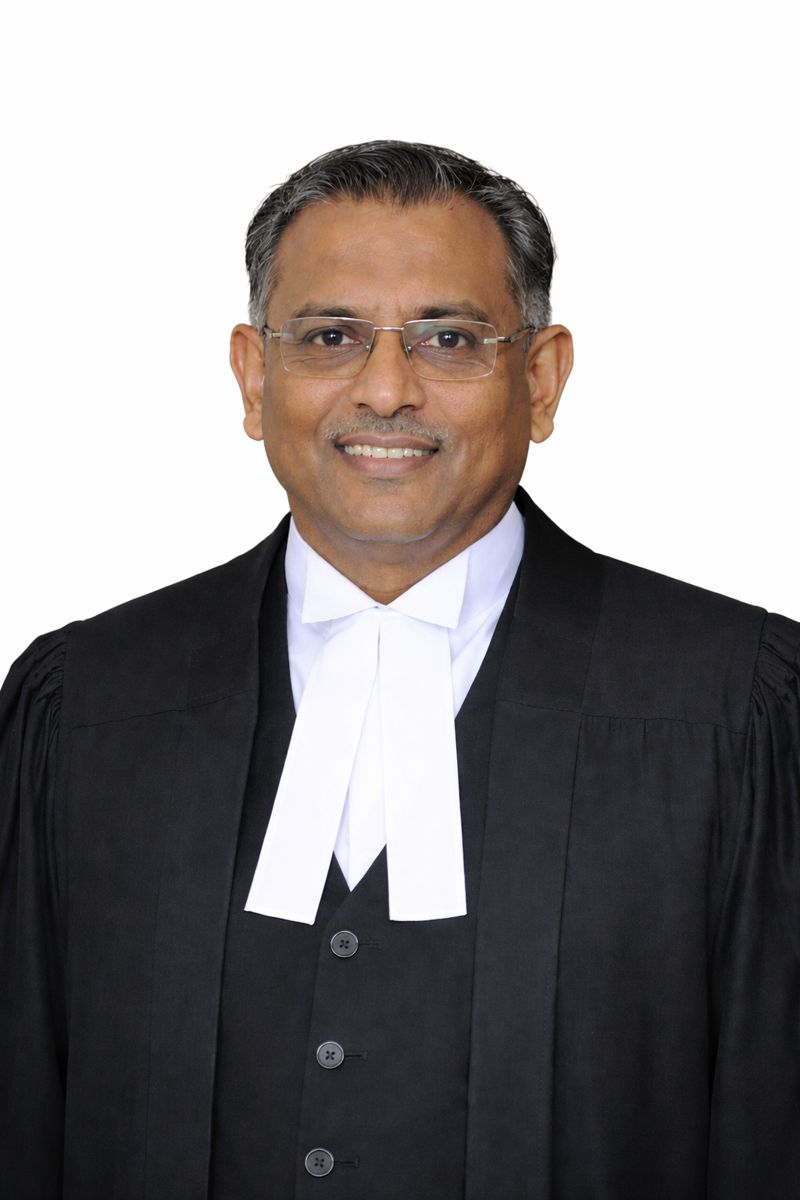
Meet Our Advocates

RRC Law Associates is composed of experienced advocates...

Advocate

Hon'ble Mr. Justice (Retd)
M.Karpaga Vinayagam

Former Chief Justice - Jharkhand High Court

Senior Advocate - Supreme Court of India

50+ Years Experience
Advocate

R. Muthukumaraswamy

Senior Advocate & Co-Founder

President of the Madras Bar Association (2012-2014)

19+ Years Experience
Advocate

Adv. Mathimugam, LL.B. (Hons)

Senior Associate

Family/Civil/Tort (accident claims)

30+ Years Experience
Advocate

Dr. N. Tamilmani

Senior Partner & Founder

Civil, Criminal, and Constitutional Law

20+ Years Experience
Advocate

R. Vidhya, B.A., LL.B.

Member

Civil, Criminal, Family Law, and Cyber Law

16+ Years Experience

Face Legal Hurdles with Confidence

Connect with our property disputes law experts for a confidential strategy session.

Chat on WhatsApp
Chat with us